
The Role of Outdoor Environments in Child Well-Being
The technological advances of the 21st century do not guarantee healthier futures for today’s kids. Children are growing up in a world defined by high-calorie snacks, unprecedented screen exposure, and rising levels of anxiety and depression. Together, these forces are shaping a generation that moves less, sits more, and struggles to manage daily stress.
This concern came into sharp focus in September when UNICEF reported that, for the first time in history, more school-age children worldwide are obese than underweight.
“Obesity is a growing concern that can impact the health and development of children. Ultra-processed food is increasingly replacing fruits, vegetables and protein at a time when nutrition plays a critical role in children’s growth, cognitive development and mental health,” said UNICEF Executive Director Catherine Russell.
In the U.S., the picture is equally sobering. A CDC report released in August found that children, 18 and under, now consume 61.9 percent of their total calories from ultra-processed foods such as packaged snacks and sugary drinks. That means most of the energy fueling a child’s day comes from foods engineered for convenience, not nutrition.
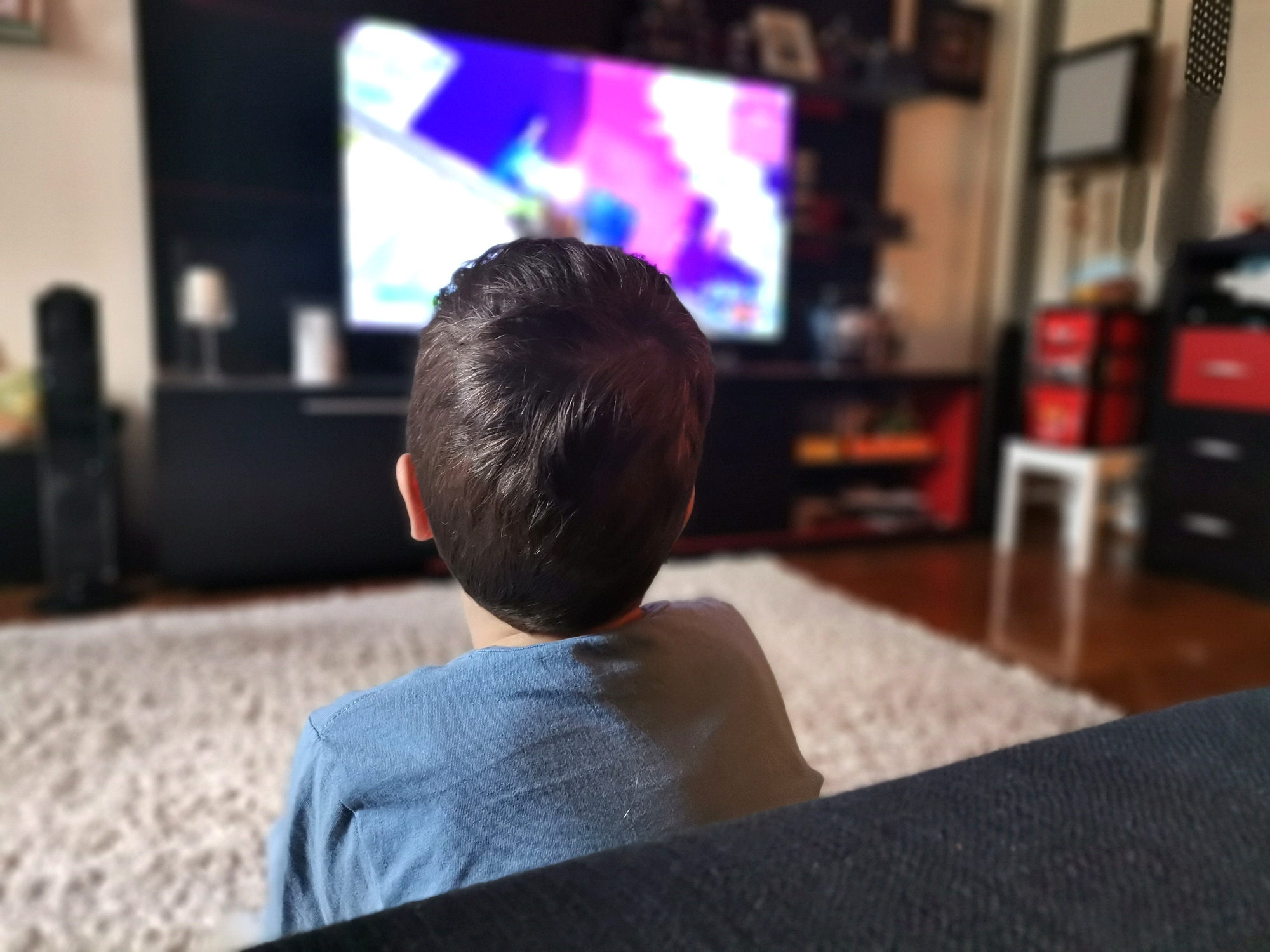
Screens add another layer to the problem. In June, the American Psychological Association highlighted research suggesting that screen use and emotional struggles may reinforce each other in a harmful cycle.
“Children are spending more and more time on screens, for everything from entertainment to homework to messaging friends,” said Michael Noetel, PhD, an author of the study and an associate professor in the School of Psychology at Queensland University. “We found that increased screen time can lead to emotional and behavioral problems, and kids with those problems often turn to screens to cope.”
Fortunately, there’s a powerful and practical counterbalance, and it’s as close as the nearest park or playground. Outdoor play gives children the movement, fresh air, sensory input, and social connection their bodies and minds are wired to need. Research consistently shows that time outside improves cognitive skills, strengthens physical health, supports emotional regulation, and helps reduce stress.
Movement Gap: What Kids Should Be Getting vs. Reality
The CDC recommends that children and adolescents aged 6-17 spend 60 minutes of moderate-to-vigorous physical activity daily. That daily hour should include:
- Aerobic activity: daily, such as walking, running, and active games that elevate heart rate
- Muscle-strengthening activities: at least 3 days per week, such as climbing, grip work, ropes, and overhead elements
- Bone-strengthening activities: at least 3 days per week, such as jumping, hopping, and running
“Regular physical activity in children and adolescents promotes health and fitness. Compared to their inactive peers, physically active youth have higher levels of fitness, lower body fat, and stronger bones and muscles,” said the CDC.
The reality of physical health in children is far from ideal. The 2024 U.S. Report Card on Physical Activity for Children and Youth gave the nation a D-, noting that only 20% to 28% of U.S. children achieve the recommended daily hour of movement.
“Human bodies were designed to move and be active, but modern society has made life more sedentary. We need to re-engineer our environments and routines to build activity back in. This means providing more opportunities for children to be active that are safe and enjoyable,” said Jordan Carlson, Ph.D., professor of pediatrics at Children’s Mercy Kansas City and chair of the report card.
The takeaway is unmistakable: Kids aren’t getting the movement their bodies need.
Between screen time, academic pressures, transportation patterns, and shrinking access to outdoor spaces, activity has become something children must seek out rather than naturally experience.
Snacks, Screens & Stress: Today’s Childhood Health Triangle
If nutrition, movement, and emotional balance form the foundation of healthy development, today’s children are growing up on a dramatically unstable platform. Three powerful forces now shape the everyday environment of kids across the U.S.: ultra-processed snacks, excessive screen time, and rising stress.
Snacks
Ultra-processed foods make up more than half of all calories children consume, according to the CDC. These foods are engineered for convenience and taste but stripped of the nutrients growing bodies need. High-calorie snacks paired with low physical activity create a perfect storm for weight gain, lower energy, and poorer metabolic health.
Screens
Screens, once an occasional distraction, have become a constant companion. Children use them for entertainment, communication, homework, and coping. Excessive screen time is strongly linked to sleep disruption, reduced physical activity, diminished attention, and social withdrawal. These are all factors that compound stress and affect learning.
Stress
The mental-health landscape for young people has shifted dramatically. Rates of anxiety, depression, and distress are rising across all age groups. Social pressures, academic expectations, disrupted routines, and overstimulation from digital environments contribute to chronic stress at younger ages than ever before.
Together, snacks, screens, and stress reveal a childhood environment that is increasingly sedentary, overstimulating, and emotionally demanding. But communities are not powerless. They can counter these forces with something simple, universal, and deeply rooted in child development: outdoor play.
The Outdoor Play Antidote
There was a time in America when parents, from city apartments to country farms, voiced a simple demand to their children: “Go outside and play!”
Outdoor play has always been central to childhood, but today it serves a higher purpose.
Time outside provides a combination of physical activity, sensory input, nature exposure, and unstructured social interaction that researchers consistently link to healthier bodies and calmer minds.
Studies show that outdoor environments help children:
- Increase physical activity levels and improve cardiovascular health.
- Strengthen muscles and bones through climbing, running, and jumping.
- Lower stress hormones and improve emotional regulation.
- Strengthen attention, executive function, and creativity.
- Build confidence, resilience, and social skills.
- Sleep better and reduce symptoms of anxiety.
In a childhood shaped by screens, modern diets, and rising pressure, outdoor play is one of the most effective “reset buttons” we can offer.
Designing Outdoor Environments That Support Child Well-Being
Communities need to think of playgrounds and outdoor learning spaces as essential health infrastructure. When thoughtfully designed, they address all three pillars of today’s challenges:
- Counteracting Sedentary Lifestyles
Varied movement options (climbing nets, overheads, spinners, tracks, hills, and open turf) to provide the aerobic, muscle-building, and bone-strengthening activity kids need. - Reducing Stress and Supporting Emotional Health
Shaded seating, quiet nooks, sensory elements, and nature-rich spaces help children decompress, self-regulate, and recover from overstimulation. - Drawing Kids Away from Screens
Inviting, inclusive, and easily accessible play spaces give kids a compelling alternative to digital entertainment. When a playground is nearby, it becomes easier to choose to play over passive screen time.
Partner With Churchich Recreation and Design
Healthy communities don’t happen by accident but are built intentionally. Churchich Recreation and Design helps schools, parks, and municipalities throughout the Carolinas create outdoor environments that inspire movement, reduce stress, and support the whole child.
If your organization is ready to reimagine how outdoor play can strengthen child well-being, Churchich can help you design and deliver a space where children thrive physically, socially, and emotionally. Contact us today for a free consultation.