
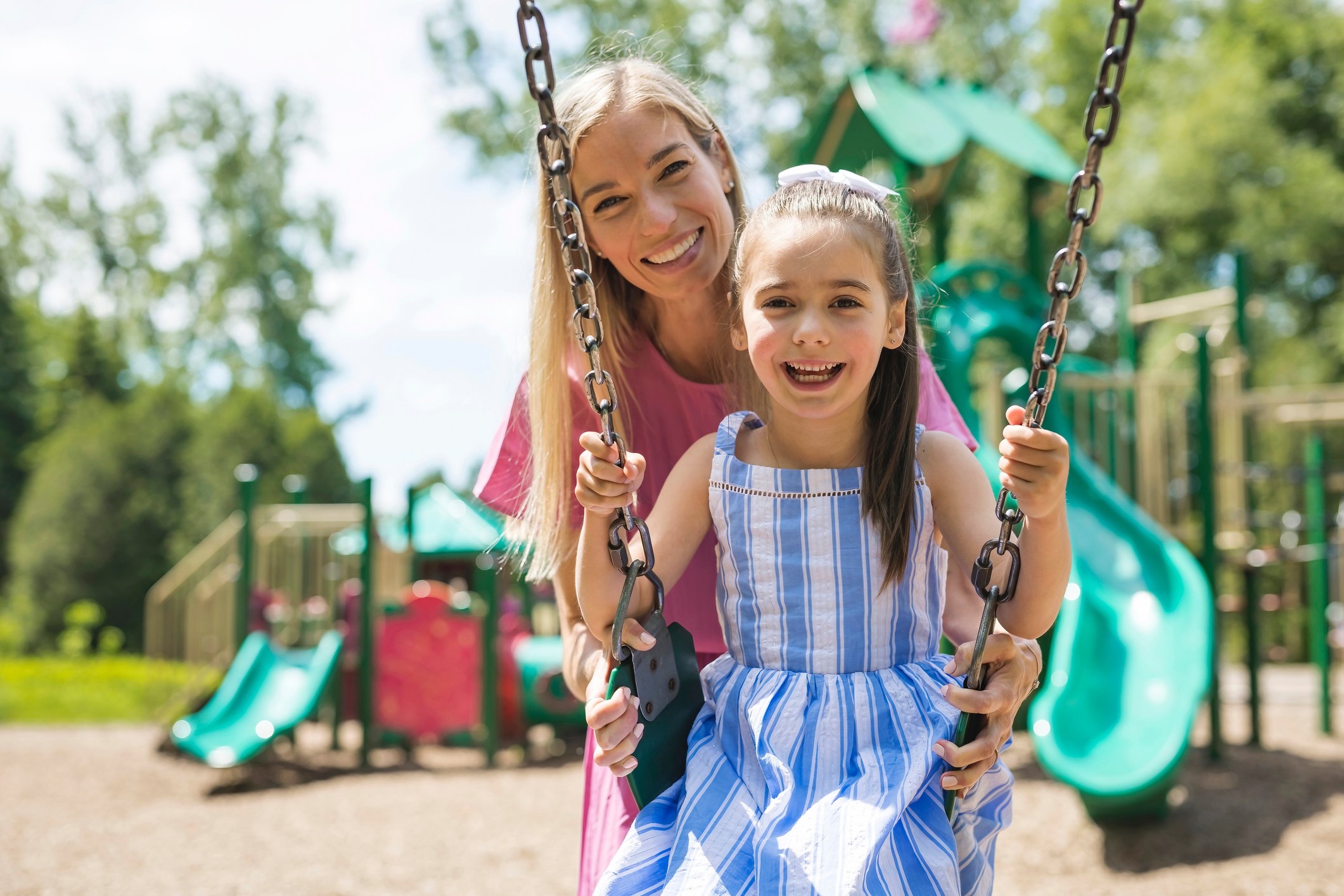
A healthy community is an active community, and public health begins in the everyday spaces where people live, gather, and play.
While access to healthcare is crucial, research consistently shows that well-designed parks, playgrounds, and recreational areas are linked to higher physical activity levels, stronger social connections, and improved overall well-being.
“If we had a medicine that delivered as many benefits as parks, we would all be taking it,” explains Dr. Howard Frumkin, Senior Vice President at Trust for Public Land. “Parks deliver cardiovascular benefits, fight loneliness, combat osteoporosis, counter stress anxiety, and more. And they do those things without adverse side effects and at minimal costs.”
Organizations such as Project for Public Spaces notes, reinforce this perspective, noting that great public places contribute to community health socially, economically, culturally, and environmentally.
For municipalities and community leaders, investing in recreation infrastructure is not simply about adding amenities. It is a strategic decision that can shape long-term health outcomes, strengthen civic engagement, and elevate overall quality of life.
Physical Health: Designing for Movement, Not Just Moments
Communities that make physical activity convenient see measurable results. When walking trails connect neighborhoods, when playgrounds are visible and inviting, and when parks offer inclusive equipment for multiple age groups, residents are more likely to move throughout the day.
Well-designed recreation spaces encourage:
- Increased daily physical activity among children and adults.
- Contribute to reduced rates of childhood obesity.
- Improved cardiovascular health.
- Greater mobility for aging populations.
- Opportunities for intergenerational activity.
For children, playgrounds are more than play spaces; they're where physical development happens. Climbing builds strength, balance features develop coordination, and open areas encourage the running and agility that build cardiovascular endurance. These early experiences lay the groundwork for lifelong movement habits.
For adults, accessible trails, outdoor fitness zones, and well-lit parks remove common barriers to exercise. When activity is built into daily routines within walking distance of home, participation rises naturally.
Intentional design matters. Placement, shade, visibility, ADA accessibility, safety surfacing, and age-appropriate features all influence whether a space is used consistently or ignored over time.
Mental Health and Social Well-Being: Spaces That Strengthen Community
The benefits of recreation infrastructure extend beyond physical health. Parks and playgrounds are also social anchors.
In an era when loneliness and social isolation are rising concerns, public gathering spaces create opportunities for casual interaction and shared experience. Parents meet at playgrounds. Neighbors encounter one another on walking paths. Community events activate park pavilions and green spaces.
These everyday connections contribute to:
- Reduced stress and anxiety.
- Stronger neighborhood identity.
- Increased civic pride.
- Greater perception of safety.
- Improved emotional resilience in children.
Unstructured outdoor play has been linked to improved creativity, problem-solving skills, and emotional regulation in children. For adults, access to green space is associated with lower stress levels and improved mood.
When communities invest in thoughtful recreation design, they are also investing in belonging.
Economic Impact: Recreation as a Strategic Investment
Recreation infrastructure is often viewed as an expense. In reality, it functions as an economic development tool.
Studies consistently show that proximity to parks and well-maintained recreational amenities can increase nearby property values. Attractive public spaces also influence relocation decisions for both families and businesses.
Active communities tend to experience higher residential desirability, stronger tourism potential, increased small business activity near parks, lower long-term healthcare costs associated with sedentary lifestyles.
For municipalities, these ripple effects matter. Recreation projects can:
- Enhance grant competitiveness.
- Support comprehensive planning goals.
- Demonstrate commitment to long-term community vitality.
In growing regions, thoughtfully planned recreation areas can also guide smart development by anchoring neighborhoods and shaping walkable environments.
Inclusive Design: Recreation for Every Generation and Ability
Creating active lifestyles requires inclusive thinking.
Modern recreation planning recognizes that communities are diverse in age, ability, and cultural background. Inclusive playground equipment, sensory-friendly features, shaded rest areas, and accessible pathways ensure that public spaces serve everyone.
Design considerations may include:
- ADA-compliant routes and surfacing.
- Adaptive play elements.
- Equipment for multiple age ranges.
- Comfortable seating and gathering areas.
- Shade structures for warmer climates.
- Safety lighting for extended usability.
When spaces are welcoming to all, participation broadens, and so do the health and social benefits.
The Role of Intentional Planning
Successful recreation spaces rarely happen by accident. They result from collaboration between municipal leaders, planners, landscape architects, and recreation specialists who understand both design and community dynamics.
Effective projects typically begin with:
- Community needs assessments.
- Long-term master planning.
- Budget alignment and phased implementation.
- Durable, low-maintenance material selection.
- Safety and compliance evaluation.
- Thoughtful placement within broader development plans.
By taking a comprehensive approach, communities can help ensure their investments remain vibrant and functional for decades.
Building Active Communities for the Long Term
Active lifestyles are shaped by environment. When communities make movement accessible, safe, and enjoyable, participation follows.
For municipalities and developers, recreation planning represents more than amenity placement. It is an opportunity to influence public health, strengthen social ties, and enhance economic resilience.
Thoughtfully designed parks and playgrounds become more than destinations. They become daily habits. They become gathering places. They become defining features of a community’s identity.
Creating those spaces requires experience, collaboration, and a commitment to long-term value.
At Churchich Recreation and Design, we partner with communities to plan, design, and deliver recreation environments that support healthy, active living. From initial concept through installation, our team works alongside municipal leaders and planners to create spaces that serve today’s residents while anticipating tomorrow’s needs.
Because when recreation is intentional, the benefits extend far beyond the playground.
Contact Churchich today to create a memorable, one-of-a-kind experience for your community that will help nurture healthy lifestyles.